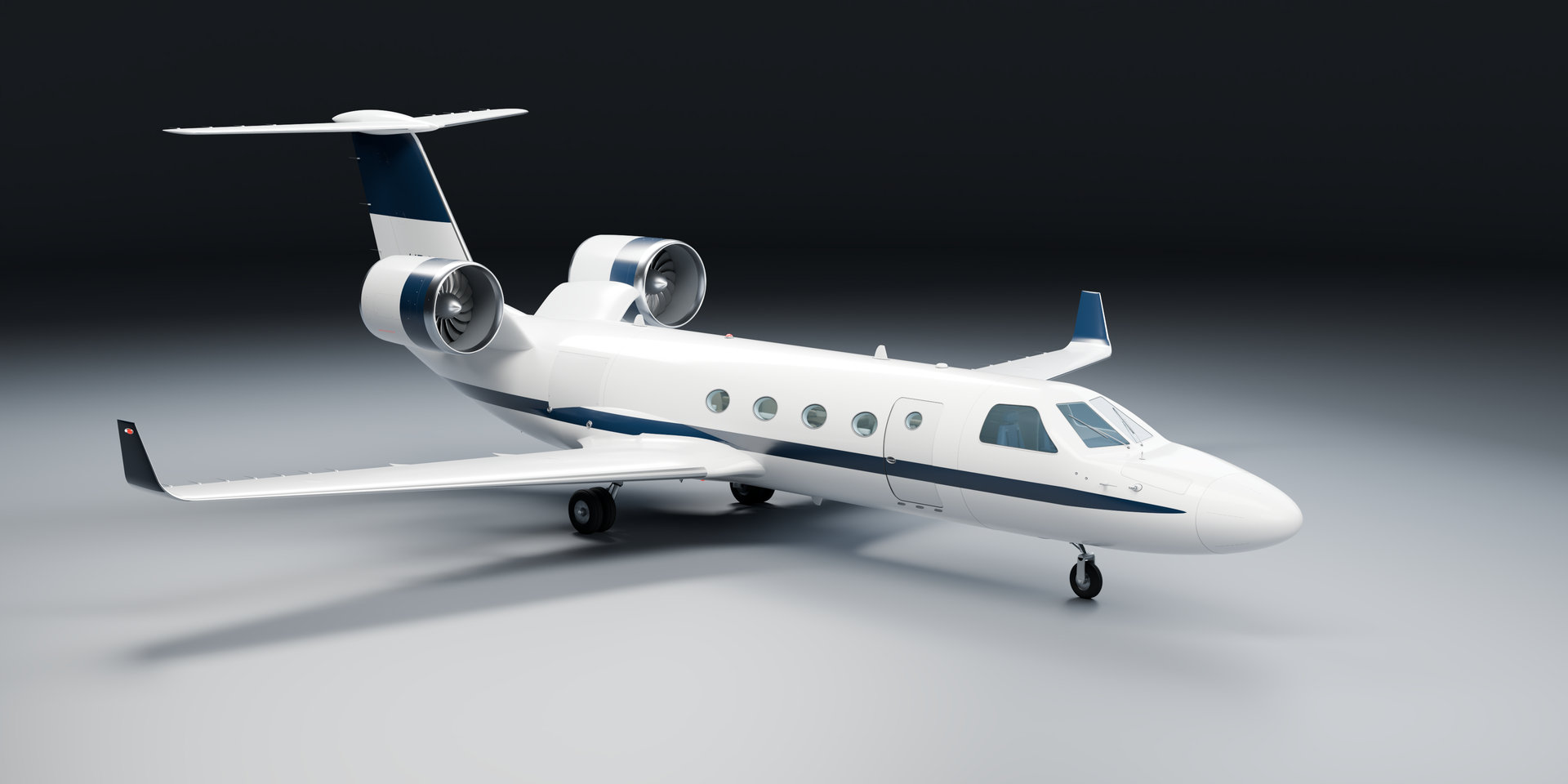
Galini H7 · Hydrogen-electric business jet
The quiet sky belongs to whoever gets there first.
Seven passengers, two electric fans, and only water vapor behind it.
Galini H7 · Hydrogen-electric business jet
Seven passengers, two electric fans, and only water vapor behind it.
Design targets of the H7 energy system: fuel-cell power net at sea level, battery at rated capacity.
The aircraft
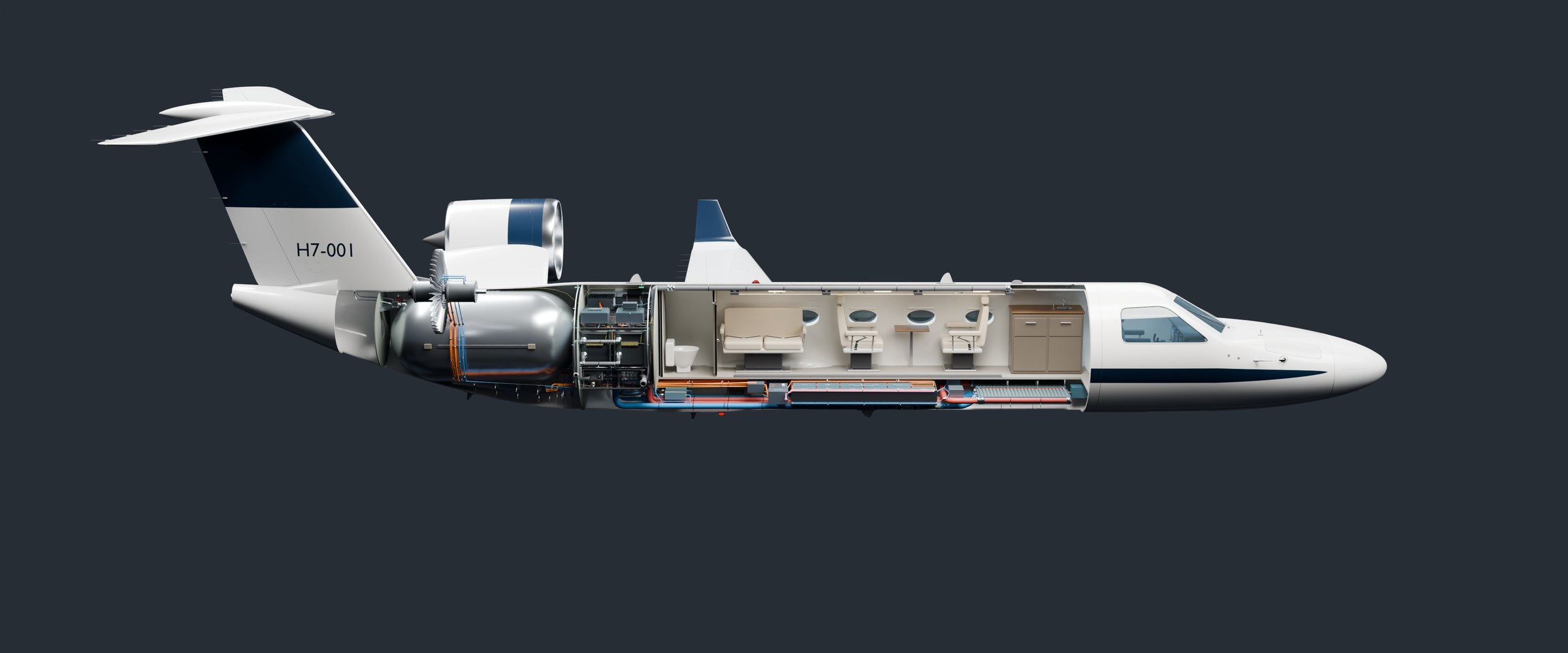
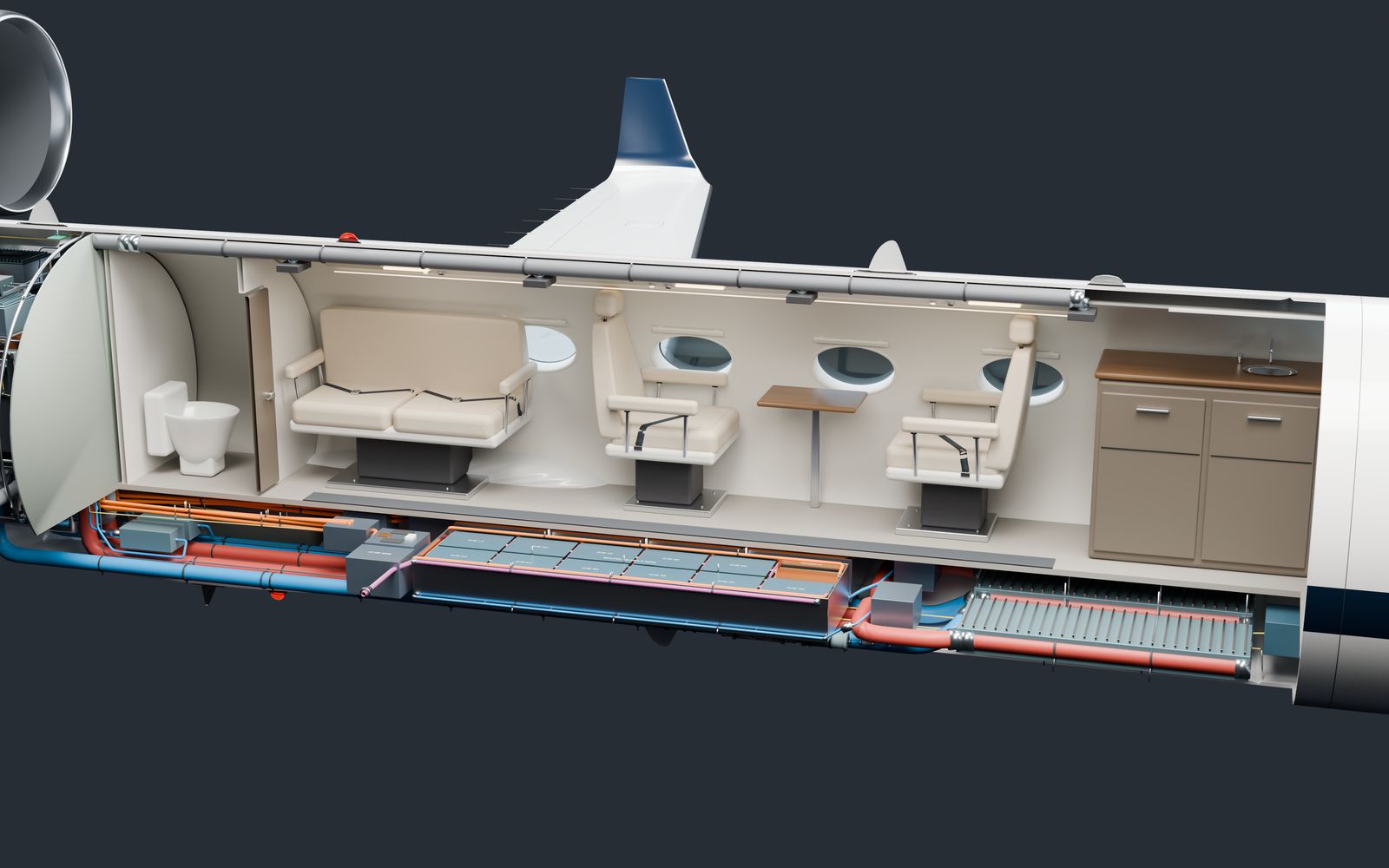
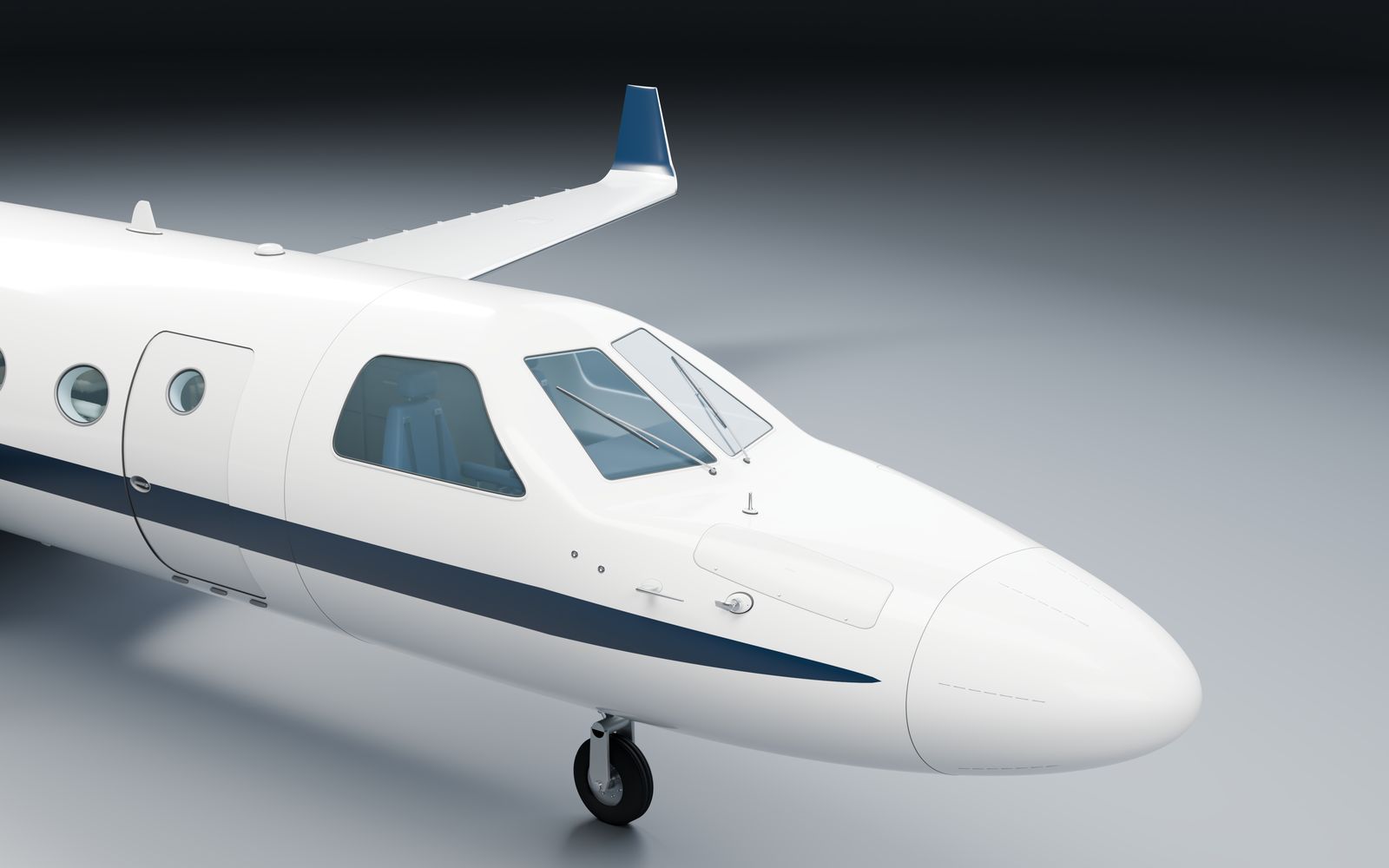
From the outside, the H7 is a business jet. Inside, liquid hydrogen becomes electricity, and two electric ducted fans turn it into thrust.
147 kg of liquid hydrogen in one vacuum-insulated cryogenic tank behind the cabin.
Four fuel-cell stacks, 1.2 MW net. A 106 kWh battery covers the takeoff peak and recharges in cruise.
Two electric ducted fans, each driven by two motors on a common shaft.
Two 800-volt channels, A and B, each with its own battery, converters and inverters.
Why it matters
Fits the emissions reporting that corporate flight departments already file.
The target against turbofan jets in its class: night slots at noise-capped airports open up.
Planned build cost of $5.3M on our own line at full rate.
The plant
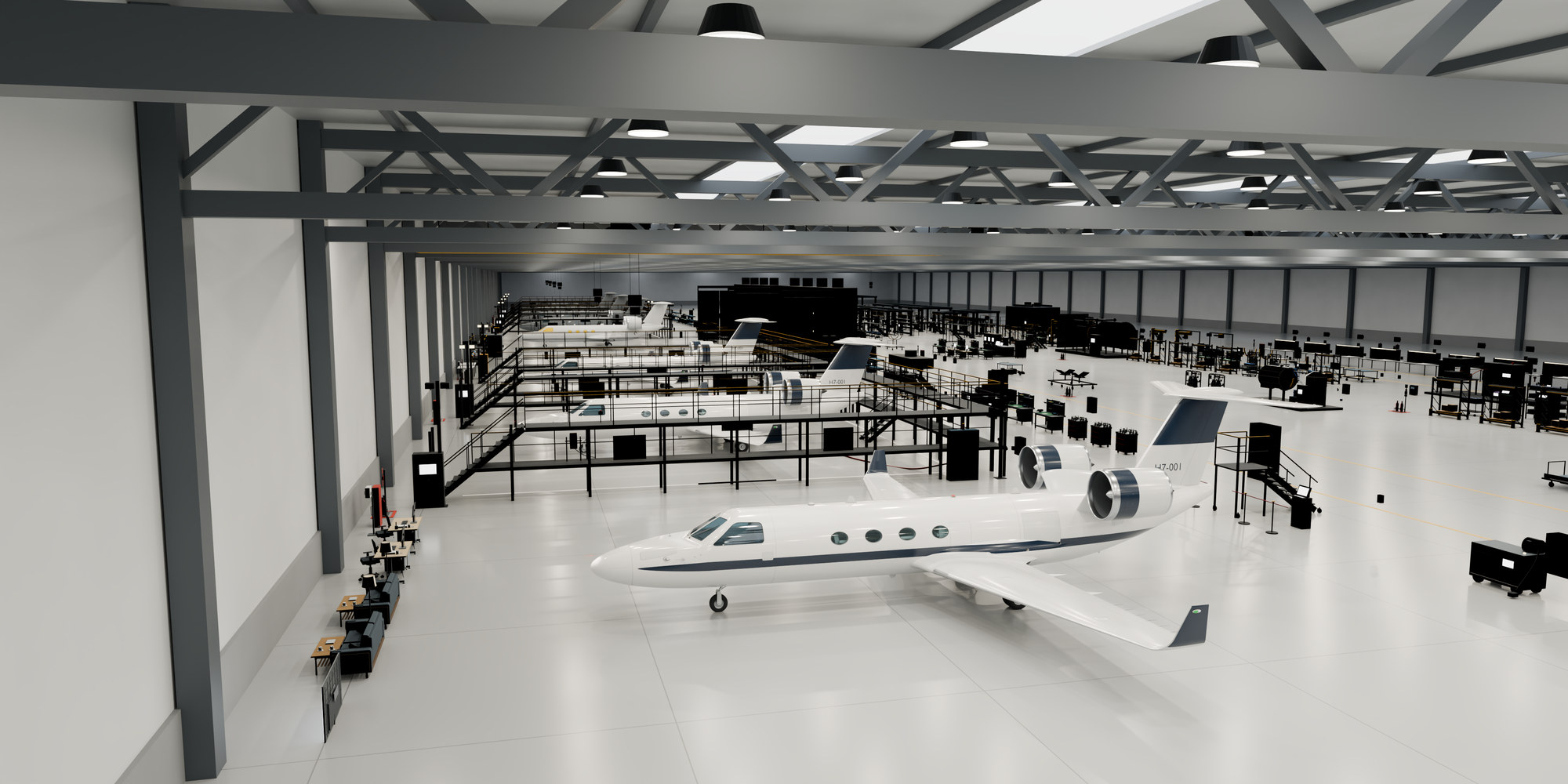
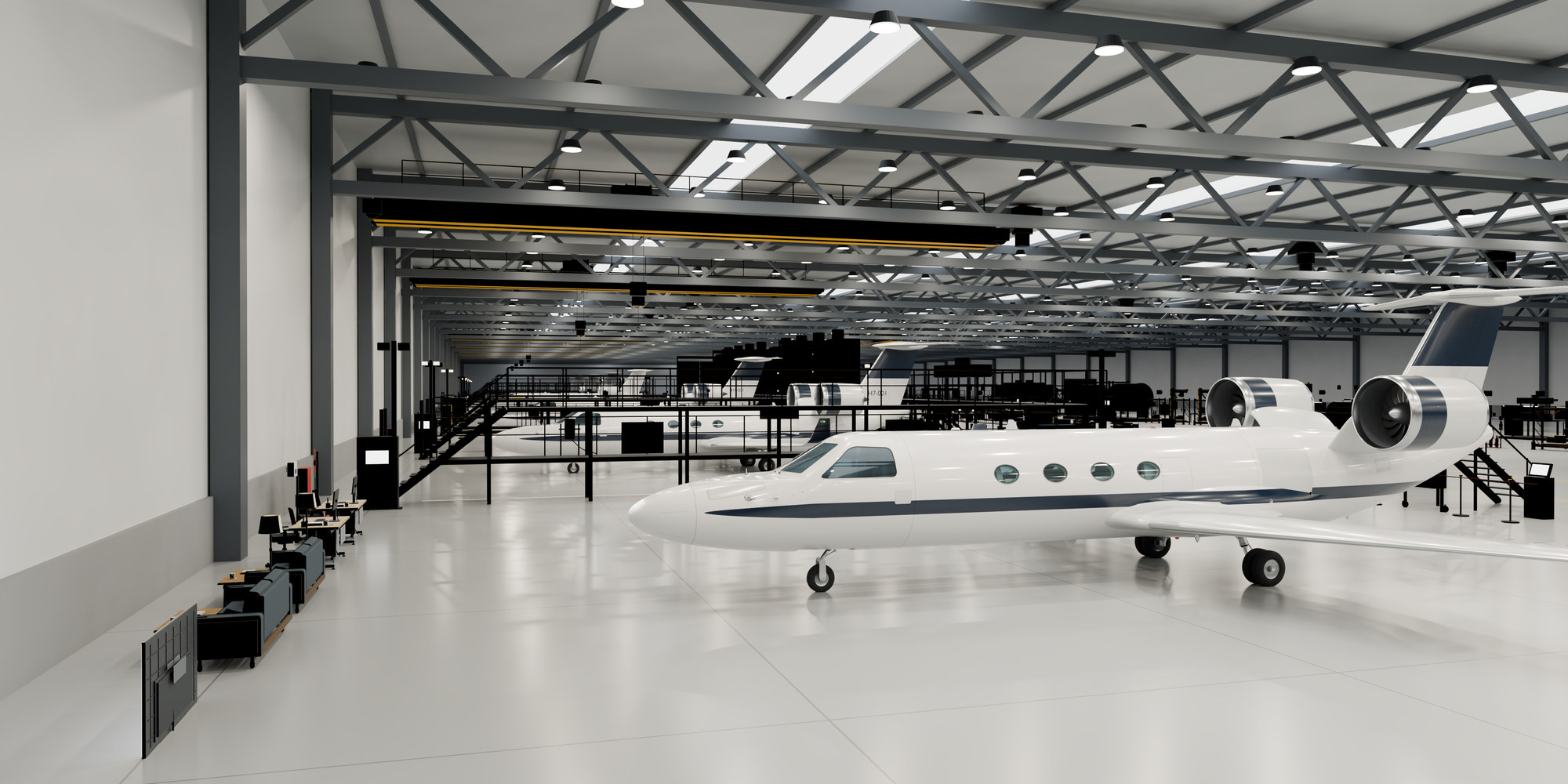
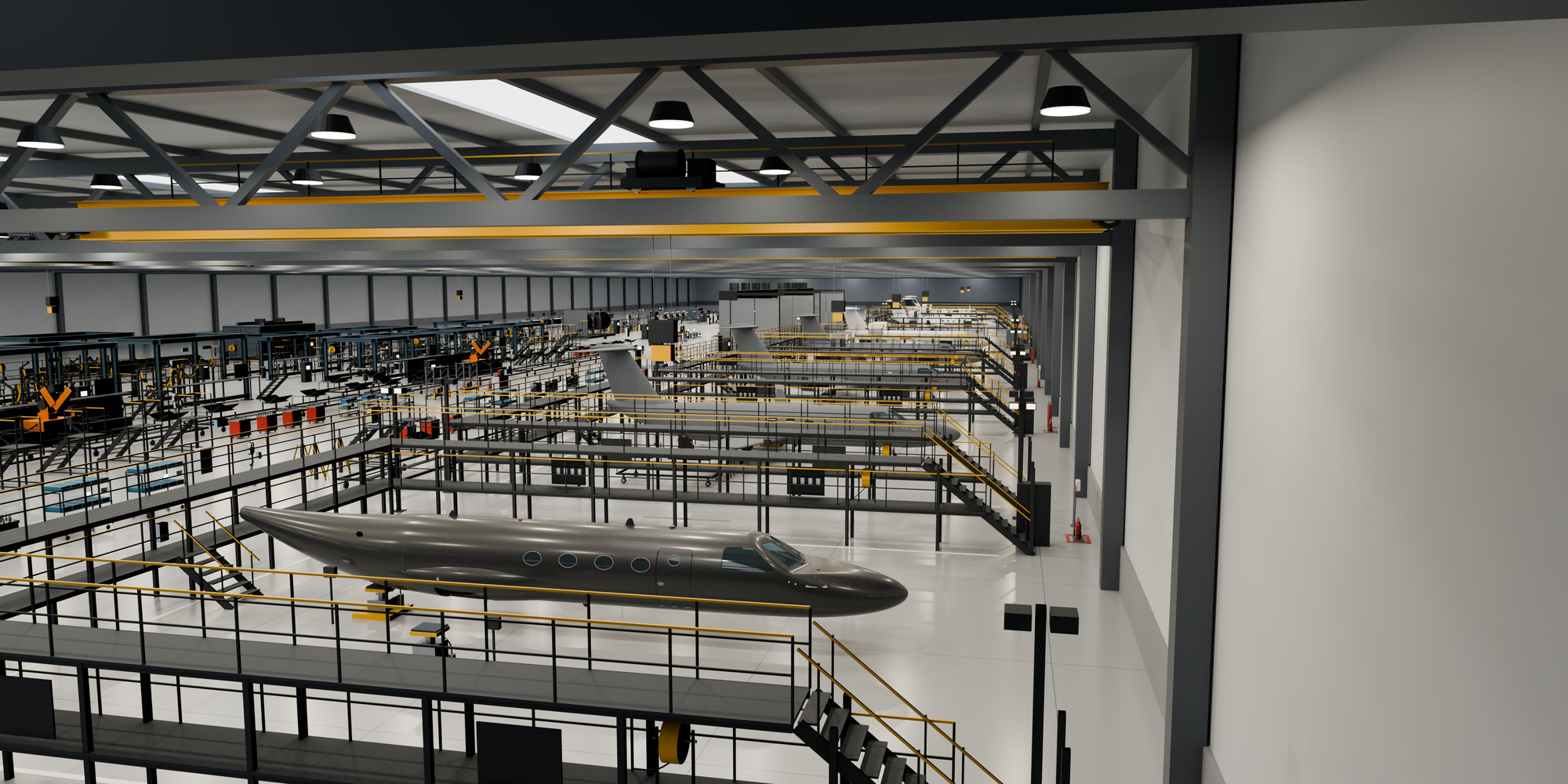
One building, 400 by 110 meters. The flow runs west to east, from a roll of carbon fiber to an aircraft on the apron. Every six working days, an H7 rolls out through the hangar doors.
under one roof
work areas, from clean rooms to a hydrogen lab
people
aircraft a year
equipment and utility networks
of labor per aircraft
Digital twin
Taktwin builds it from scratch with real clicks: 36,931 steps in 53 minutes, zero blocking errors, zero warnings. Change the production program and every number recalculates.
Investors
The investor deck and the five-minute film are shared on request.